Pain control is just one of those abilities that specifies the high quality of frontline care. When an individual is twisting on the flooring of a manufacturing facility, or a kid is stressed after a compound crack at a weekend break video game, you don't have long to make audio choices. PUAEME008, Give Discomfort Administration, orders what proficient -responders need to do to assess pain, select and supply risk-free analgesia, display results, and turn over treatment. It is more than a system of competency. It is a small between a medical professional and an individual in distress.
I have provided and analyzed this unit for combined teams, from remote mine paramedics to cosmopolitan occasion paramedics, and the exact same styles turn up every training course: know your pharmacology and contraindications, regard approval and law, always remember non‑pharmacological treatment, and record as if somebody else will certainly need to keep up the baton ten minutes later on. This short article unboxes PUAEME008 in useful terms and gives a working picture of what competent efficiency looks like in real environments.
Where PUAEME008 Sits in Practice
PUAEME008 sits in the Public Safety Educating Bundle and is generally packaged into pain management programs run by signed up training organisations for emergency responders and allied health and wellness professionals operating in austere or prehospital contexts. Learners are typically currently learnt main survey, respiratory tract administration, standard life support, and scene safety. The give discomfort management course builds on that foundation to deal with secure, efficient analgesia across a range of individuals and environments.
Providers vary throughout Australia. Some deliver the system as a standalone pain monitoring certificate training course, others fold it right into broader programs like remote area very first responder training. For registered nurses and physio therapists who work in event medication, occupational health, or remote outreach, it can enhance professional registration by formalising prehospital analgesia abilities. It is not a substitute for a tertiary discomfort fellowship. Rather, it is a concentrated emergency pain management component that asks a vital inquiry: can you relieve pain quickly and safely while anticipating deterioration?
The Competency at a Glance
PUAEME008 assessors seek clear, observable performance. The wording differs somewhat throughout versions, yet the core needs continue to be stable:

- Recognise and analyze sharp pain utilizing structured tools suited to the patient and situation. Select proper analgesic methods, consisting of non‑pharmacological methods, according to protocols, range of method, and readily available resources. Administer analgesia securely using authorized paths, does, and equipment while maintaining infection control. Monitor feedback, damaging impacts, and crucial signs, then titrate or cease treatment accordingly. Communicate plainly, gain approval, file, and turn over to a greater degree of care.
These elements audio neat theoretically. Real scenes are not. You will certainly evaluate an individual with disruptive injuries and a gale blowing sand right into your eyes. You will seek a radial pulse while a group movies on their phones. Proficiency receives just how you construct a fast but dependable photo, maintain the individual engaged and calmness, and use a method without passage vision.
Assessment and Triage: Reading Pain, Not Presuming It
Pain is subjective and heavily coloured by worry, society, and context. A jackaroo with a disjointed shoulder could rank his pain at 6 yet look pale and clammy with a heart price of 130. A child could reject to speak yet recoil with a light touch. PUAEME008 anticipates responders to make use of discomfort scales that fit the client. The numeric rating scale from 0 to 10 matches express grownups. The Wong‑Baker faces range helps with interaction with children or patients who choose visual cues. For non‑verbal people, behavioural tools such as the FLACC range aid, though they need practice to prevent overcalling distress as pain.
Acute pain analysis in the field must not drift right into a long meeting. Anchor it within the primary and secondary studies. Start with life threats, after that a focused pain history: place, onset, personality, radiation, severity, time program, worsening or eliminating factors, and previous anesthetics. Pulse oximetry, heart price, breathing rate, high blood pressure, and skin indicators use context. Note warnings that alter the plan: modified frame of mind, suspected major hemorrhage, breast discomfort with hemodynamic instability, severe head injury, or indicators of blood poisoning. PUAEME008 desires -responders to identify when analgesia is needed and when support of airway, breathing, and flow must precede it by minutes that feel much longer.
Anecdotally, the most typical assessment error from brand-new students is stopping working to reassess. They catch a baseline pain rating, supply an opioid, then carry on with other tasks. 10 mins later on the discomfort has held one's ground, yet since no structured review happened, the chance to titrate is shed. Good technique is basic. Videotape a discomfort score prior to therapy, then again every 5 to 10 mins or after each dose. Combine it with vitals and a monitoring of sedation degree, so you can identify breathing depression early.
Pharmacological Options: What's in the Kit and When to Use It
The supply discomfort management course educates pharmacological options aligned to organisational procedures. Availability varies. Remote facilities might equip methoxyflurane, intranasal fentanyl, paracetamol, and advil. Occasion paramedics could run under standing orders for oral analgesics just. Paramedic services include IV morphine, ketamine, and often nitrous oxide.
Paracetamol stays the quiet workhorse. At restorative doses it minimizes discomfort in bone and joint injuries and soft cells trauma. It additionally pairs well with NSAIDs for a synergistic impact. Check for recent intake to prevent cumulative poisoning, especially in smaller adults or those with liver condition. Ibuprofen and other NSAIDs bring anti‑inflammatory advantages but lug bleeding and renal threats. Post‑operative patients, the senior with poor kidney book, and individuals on anticoagulants could be better offered by alternative strategies.
Methoxyflurane, delivered via a portable inhaler, has a devoted following in the field. Its rapid start and patient‑controlled nature fit short, excruciating procedures like reducing a disjointed shoulder or splinting a crack. Expect sedation, hypotension, and the cumulative dose limit. Many protocols cap it at 2 3 millilitre vials in 1 day. I have actually had people who barely touched the inhaler after the very first min since concentrated mentoring and splinting took the edge off. Others required the full allocation to facilitate extrication. It is appealing to get along with techniques while the individual is stoic, but if their vitals pattern inadequately, stop and reassess prior to continuing.
Intranasal fentanyl bridges a key space when IV gain access to is not possible. Right application based upon client weight and distribution via a mucosal atomisation gadget yields quickly analgesia. It is especially valuable in paediatrics where cannulation hold-ups treatment. In spite of the benefit, treat it with the respect you would any opioid. Know your contraindications, screen respiration, and have naloxone ready, drawn up, and close at hand. 2 percent of trainees neglect to prime the atomiser throughout simulations, which reduces efficiency. Construct a habit of a fast equipment list prior to administration.
IV opioids remain staples for many solutions. Titrated increments of morphine or fentanyl permit exact control. I like tiny boluses connected to duplicated discomfort ratings and sedation analyses as opposed to large front‑loaded dosages, particularly for older grownups. Ketamine provides a dissociative route for extreme discomfort, especially in injury where hypotension looms. Low dose ketamine for analgesia differs from induction doses made use of in step-by-step sedation. Nystagmus and dissociation can unsettle the person and bystanders, so detailed pre‑briefing assists. I have actually found that tranquil narrative during administration minimizes the possibility the patient will panic as the medicine takes effect.
Nitrous oxide still appears at some occasions. It is excellent for short, sharp procedures, however logistics and contraindications complicate its use. Expectant people, those with digestive tract blockage, pneumothorax, or caught gas issues ought to not get it. Cylinder monitoring at a congested site becomes an additional risk if not controlled.
Whichever agents you lug, PUAEME008 supports practice in clear methods and range. Do not improvise beyond training and authorisation, also when pain management certification course pressure mounts. If your discomfort management training program covered intranasal fentanyl and you function under an agreement that enables it, you get on strong ground. If ketamine is not in your technique model, the ideal selection is to escalate or seek additional support, not to push boundaries.
Non medicinal Strategies: Frequently Faster, Constantly Cheaper
I have enjoyed an anxious client's discomfort decline from eight to four within 2 minutes with absolutely nothing more than an excellent splint, a cozy covering, and regulated breathing. We talk about drugs because they seem like action, but foundational procedures matter.
Immobilisation and splinting continue to be the most potent non‑drug interventions for trauma discomfort. Appropriately padded, well located splints reduce motion and muscle convulsion. Mild traction in thought long bone cracks can ease the most awful of it even prior to definitive treatment. Cold treatment reduces swelling and numbs surface tissues when made use of sensibly. Warm can aid muscle spasm, but prevent it on fresh terrible injuries.
Positioning slides under the radar. A patient with kidney stone discomfort frequently locates relief curled on one side. Rib fractures really feel much better with the upper body a little elevated and supported. Urge positions that reduce muscle mass pressure, given back injury is not suspected. Simple breathing training lowers considerate drive and raises tolerance. I utilize a three matter in, six count out rhythm to promote parasympathetic tone, tuned to the client's comfort. Include interruption. Led imagery sounds soft until you see a child with a lower arm fracture settle sufficient for cannulation since you asked about their canine and the next football match.
Non pharmacological care is where physiotherapists and nurses bring enormous value. Pain management programs for physio therapists frequently stress activity approaches that minimize discomfort without spiking anxiousness, and registered nurses bring a second sight for positioning and reassurance that pays dividends. PUAEME008 expects responders to demonstrate these measures together with pharmacology, not as an alleviation prize when the medicine kit is light.
Consent, Interaction, and Cultural Safety
Consent can not be a rushed checkbox. Practically every area error overview of pain management certificate I have examined after an adverse reaction involved inadequate pre‑briefing. Before you supply any kind of analgesia, discuss what you plan to do, why, what the client might feel, and what side effects to expect, then request for consent. Adults with capacity can refuse discomfort alleviation also if you think it remains in their interest. Paper the conversation.
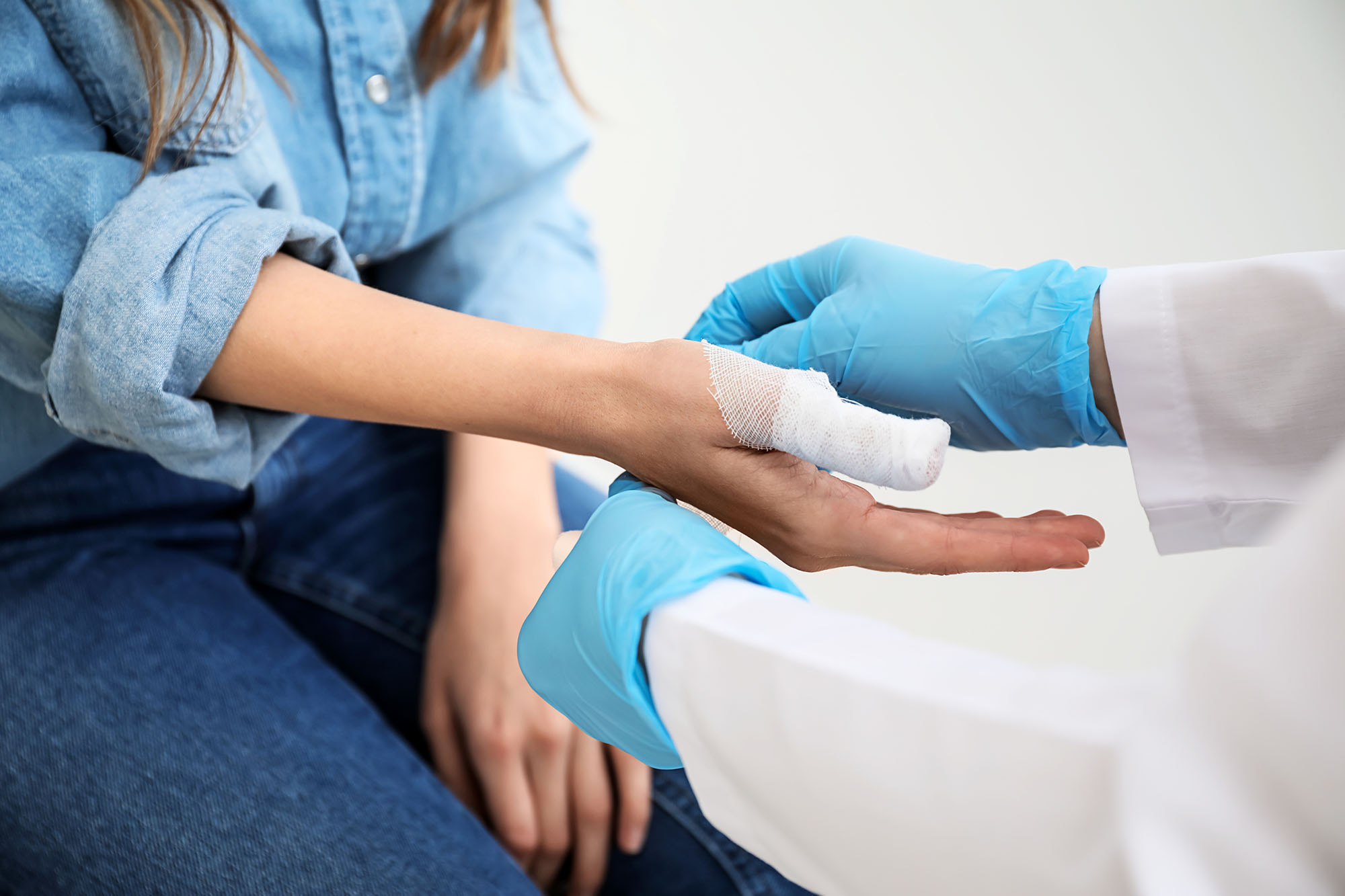
Cultural security issues. Avoid assumptions regarding pain expression. Some people will certainly underreport pain to meet regarded expectations. Making use of neutral, open language aids. As opposed to asking "Is it a 10 out of 10?", attempt "Can you show me on this scale exactly how strong the discomfort feels now?" For First Nations people, invite an assistance person when feasible and bear in mind gendered treatment choices in some communities. Time invested making count on is seldom squandered and commonly reduces the total time to efficient relief since the client engages with your plan.
Paediatrics and older adults need unique interest. With youngsters, authorization includes parents or guardians, yet the youngster is worthy of an age‑appropriate description and acceptance. Older grownups metabolise drugs in a different way, and polypharmacy increases risk. Cut in half the first dosage, titrate slowly, and keep a hawk's eye on respiration. I have actually stood in long transport lines up throughout heatwaves where a small 2nd dosage of an opioid tipped a frail patient from comfy to precariously sleepy. Methods commonly allow half doses for older grownups. Usage that flexibility.
Monitoring and Handling Unfavorable Effects
Monitoring is the back of secure analgesia. Document standard vitals and repeat at intervals matched to the drug's onset and top. Opioids require respiration rate and depth checks, oxygen saturation patterns, signs of respiratory tract blockage, and sedation degree. Ketamine calls for blood pressure, heart price, nystagmus surveillance, emergence responses, and nausea or vomiting. Methoxyflurane calls for focus to level of awareness and high blood pressure. Non‑opioid agents are not free passes. NSAIDs lug GI blood loss and kidney anxiety risk, though these emerge over longer horizons. Look for allergy with any type of agent.
Adverse effects happen, despite perfect technique. The metric of capability is not staying clear of every occasion. It is acknowledgment and definitive monitoring. If a client becomes extremely sedated after fentanyl, stop application, sustain the airway, apply additional oxygen, and all set bag‑valve‑mask support. If air flow is inadequate or oxygen saturation falls regardless of airway maneuvers, make use of naloxone per procedure. I educate students to pre‑calculate the naloxone dose for their individual instantly after providing an opioid, and to verbalise the area of the ampoule. Under stress, this tiny behavior keeps your response measured as opposed to frantic.
Nausea prevails, especially with opioids and methoxyflurane. Have antiemetics obtainable and position a vomit bag in the client's hands. Lightheadedness and orthostatic decrease in stress usually fix with placing and liquids, if protocols enable. Watch on the clock. Medicines have half lives, and transportation times can be misleading. If you administer analgesia right prior to handover, connect that explicitly so the obtaining medical professional understands the timing and can prepare for the next reassessment window.
Documentation and Handover: The Tale Must Travel
Good notes make you a better medical professional. Poor ones erode trust fund and connection. For PUAEME008, documentation suggests the discomfort evaluation tool utilized and ratings gradually, the medications carried out with dosage, path, and time, the person's feedback, adverse results and activities taken, consent conversations, and non‑pharmacological actions. It also suggests context: system of injury, placement discovered, and any obstacles or delays.
Handover gain from a simple structure. I favour an adjusted IMIST‑AMBO technique for pain: Identification, System, Injuries/illness, Indicators consisting of pain ratings and vitals, Therapy given (both non‑pharm and medicinal), and reaction. If the getting team hears that you titrated 20 micrograms of intranasal fentanyl to a paediatric lower arm fracture, with pain reducing from 8 to three, and that the child continued to be sharp with steady vitals and no queasiness, they immediately understand where to choose up.
Training Pathways and That Benefits
Pain monitoring training comes in different flavours. Brief courses hurting administration packaged around PUAEME008 typically run 1 to 2 days, with a balance of concept, simulation, and practical analysis. Some providers include optional components like nitrous oxide handling, or advanced splinting. A certificate course in pain management at this level does not give authoritative authority by itself. It confirms skills to supply analgesia within an organisation's clinical governance and standing orders.
For registered nurses that get shifts in event medicine or run in rural facilities, discomfort administration courses for registered nurses aid equate hospital‑based skills right into prehospital restrictions. Emphasis falls on limited sources, solo choice making, and documentation that creases efficiently into ambulance or access handover. Physio therapists working pitch‑side or in remote outreach add value with biomechanics and gentle movement techniques. Discomfort management programs for physio therapists instruct just how to pair those toughness with secure analgesic protocols when doctors are not right away available.
Paramedic students typically experience PUAEME008 integrated right into their wider program. For first -responders in the sources industry, a give pain monitoring program may be a licensing demand prior to being rostered to solo protection. The pragmatic reward is clear. When I contrast case records prior to and after personnel complete a pain management certification training course, I constantly see faster time to initial analgesia and fewer unintended negative events. The act of exercising approval scripts, rehearsing application, and memorising red flags adjustments behavior under stress.
Equipment and Environment: Information That Matter
You do not need a hospital to provide excellent pain treatment, yet you do need trustworthy kit and a system that maintains it all set. Stock checklists save professions. Inhalers ended last month help no one. Atomisers that do not fit your syringes hinder strategies. Include human factors. A dim stadium tunnel without a headlamp transforms creating medicine into a high-risk game. A gusty roadside strips heat from a semi‑dressed client and presses their pain up while you prepare a line. Small touches get ignored up until they bite. I place a thermal blanket under and over trauma patients whenever possible, then reassess pain prior to I grab drugs.
Storage and protection issue. Opioids need locked storage space and mindful accounting. Keep a tamper‑evident system and train every employee to utilize it the same way. Naloxone ought to rest near opioids, not buried in a separate bag. I have actually seen groups maintain it in an anaphylaxis package 2 zips far from the fentanyl. Throughout a situation, those zips come to be canyons.
Finally, practice where you stand. In cramped altering rooms, choose ahead of time who draws, that holds, who files. Simulation with full equipment is worth an hour of slides. The very first time you try to titrate ketamine while a striker's good friends crowd the doorway must not be the first time you realise your display cord is too brief for that corner.
Legal and Ethical Boundaries
PUAEME008 presumes practice within an administration framework. Jurisdictional policies and organisational protocols specify which representatives you can make use of, under what problems, and with what oversight. Discomfort monitoring accreditation does not certify you to experiment. It confirms you can apply a specified method securely. Maintain duplicates of your range of technique, standing medication orders, and adverse occasion escalation pathway easily accessible. If you function throughout organisations, anticipate variation. One company may enable intranasal fentanyl under a scientific technique guideline. An additional might restrict your analgesia to dental agents and methoxyflurane.
Ethics appear most sharply when clients refuse treatment, when spectators pressure you to rush, or when a coworker advises a shortcut that slips past method. Your support is the combination of individual autonomy, educated approval, and non‑maleficence. Decrease to administer a medication if contraindications exist, also if the individual insists. On the flip side, do not keep analgesia as a bargaining chip for cooperation. Straighten with the obtaining service early when you anticipate complex decisions. A fast phone consult buys professional and lawful cover.
Building Proficiency: What Quality Training Looks Like
Not all discomfort administration training programs cover the same ground. Try to find programs that balance pharmacology with circumstance time, consist of equipment dealing with drills, and require demo of authorization discussions. A great supply discomfort administration program includes:

- Realistic simulations that check assessment, medicine preparation, monitoring, and handover with time pressure. Coverage of non‑pharmacological strategies along with pharmacology, with practical splinting drills. Clear links to methods and extent, including paperwork design templates and negative occasion management. Paediatric and older adult factors to consider, with dosing variants and communication techniques. Assessment that consists of duplicated reviews over a circumstance, not just a single dose and done.
As an assessor, I look for the rhythm of care: evaluate, make a decision, discuss, prepare, provide, keep an eye on, reassess, document, turn over. When students internalise that loop, their patients improve treatment and their anxiety goes down.
Common Pitfalls and Exactly how to Prevent Them
A few patterns turn up consistently. The initial is dealing with discomfort scores as design rather than as decision supports. If the discomfort remains high after a reasonable beginning duration and there are no negative indicators, titrate. If the discomfort goes down to a mild degree, pivot to comfort procedures and cease application. The second is devices mistakes: vacant atomisers, ran out vials, missing filters for inhalers. A pre‑shift checklist protects against a lot of these. The 3rd is taking too lightly non‑drug options. Discomfort monitoring is not a contest to see how swiftly you can create fentanyl. Splint early, train breathing, control the environment, then reach for the vial.
The most significant challenge is inadequate surveillance. A person who looks "comfy adequate" can still move right into respiratory system depression, especially in hot, enclosed areas or throughout transportation when activity wanes them. Build routines that make it through distraction. Announce your review breaks loud. Ask a teammate to set a timer on the monitor or phone. Compose management times on your glove if you must.
The Payoff: Faster Alleviation, Safer Care, Better Handover
When groups accept the complete extent of PUAEME008, scenes really feel various. People relocate from panic to involvement. Extrication times shrink due to the fact that activity injures less. Transport is calmer, handovers more clear. In audits, you will certainly see fewer outliers in application and a smoother spread of discomfort scores trending down within 10 to 15 mins of very first get in touch with for modest injury. The most effective praise I have obtained after an active festival change came from an obtaining nurse: "Your notes inform the story, and the individual resembles the notes review."
If you are choosing a discomfort management accreditation training course, focus on programs that practice the tale from initial call to handover rather than those that only instruct how to press a medication. If you manage a group, installed the system right into regular abilities upkeep. Pain monitoring training for nurses, physio therapists, and initial -responders is not a one‑and‑done. Procedures progress and skills dull without usage. Quarterly brief drills maintain the edge.
The heart of PUAEME008 is basic. Meet discomfort quickly and respectfully, select interventions that match the individual and the scenario, enjoy meticulously, and inform the next clinician specifically what occurred. Do those points well and you will satisfy the proficiency. Extra importantly, you will certainly help individuals really feel safe once more in mins that or else extend into an eternity.